Endodontic Treatment
Looking for a relaxing, professional dental clinic to have your endodontic treatment? Well, you’re in the right place.
Arrange Your Consultation For Endodontic Treatment
We are one of the leading dental groups in endodontic treatments, helping to save and restore teeth with damaged pulp without having to fully remove them. You can keep your wonderful smile whilst also making sure all your teeth are as healthy as can be. Also, with our manageable flexible payment plans, you don’t need to worry about big one-off payments. Sounds good? Let’s find out more…
Apply for an Endodontics Consultation
Top 10 Root Canal Treatment FAQs
Quick answers to the most common questions about root canal treatment – why it’s needed, what to expect, and how it helps relieve pain and save a tooth.
1. What is root canal treatment?
Root canal treatment is a procedure used to treat infection or inflammation inside a tooth. It involves cleaning the inside of the tooth and sealing it to help prevent further infection.
2. Why might I need a root canal?
A root canal may be recommended when the soft tissue inside the tooth is inflamed or infected, often due to deep decay, cracks, trauma, or repeated dental work. Your clinician will assess the cause and explain the most appropriate option.
3. What are the signs that I might need a root canal?
Common signs can include lingering sensitivity, pain when biting, swelling, a pimple-like bump on the gum, or a tooth that feels different to the others. Some infections cause few symptoms, which is why assessment is important.
4. Does root canal treatment hurt?
Root canal treatment is designed to relieve pain caused by infection or inflammation. During treatment, local anaesthetic is typically used to keep you comfortable, and your clinician will talk you through what to expect afterwards.
5. How long does root canal treatment take?
Timing varies depending on the tooth, the complexity of the canals, and the level of infection or inflammation. Your clinician will advise what’s likely for your case after assessment and X-rays where appropriate.
6. How many appointments will I need?
Some root canal treatments can be completed in one visit, while others need more than one. Your clinician will explain the plan based on the tooth involved and what they find during treatment.
7. Will I need a crown after root canal treatment?
Often, a tooth that has had root canal treatment needs additional protection, especially if it’s a back tooth or heavily filled. Your clinician will advise whether a crown or another restoration is recommended for strength and longevity.
8. What’s the alternative to a root canal?
The main alternative is usually tooth extraction. In many cases, saving the natural tooth is preferred where possible, and your clinician will help you weigh up the options based on your situation.
9. What should I do after a root canal?
Follow the aftercare advice you’re given, and avoid heavy chewing on the tooth until it’s fully restored if advised. It’s common to have some tenderness afterwards, and you should contact the practice if symptoms worsen or you’re concerned.
10. How successful is root canal treatment?
Root canal treatment is a widely used way to treat infected teeth and keep them in place. Outcomes vary depending on factors such as tooth structure, infection severity, and how the tooth is restored afterwards – your clinician can discuss prognosis for your case.
Clinically reviewed by Dr Hitesh Mohan (Endodontist (Solihull), GDC 212526).
Putting smiles on peoples faces
What Exactly Is Endodontic Treatment?
Endodontic treatment, more commonly referred to as root canal treatment, is a procedure used to save teeth containing damaged pulp, without having to remove them completely. Firstly, your dentist will remove the pulp from the tooth and clean the area, before filling the tooth and finishing the procedure with a dental crown.
Now, many people are concerned about pain during endodontic treatment and we get it, the explanation doesn’t lend itself to nice thoughts! However, the procedure is always carried out under local anaesthetic so you won’t feel a thing. At Beyond Dental, we do everything possible to make you feel comfortable and our team is with you every step of the way to relieve any stress and to help you relax.
Sensitivity and tenderness are to be expected for a few days after the treatment then after this, you can continue with your regular oral hygiene routine, as the procedure enables the tooth to function like a normal tooth would.
How Do I Know If I Need Endodontic Treatment?
If you’re experiencing pain, sensitivity, discolouration of the tooth or tenderness, it’s time to give us a call, as you may need endodontic treatment. Although, not everyone experiences these symptoms when they are in need of endodontic treatment, so keeping up with your regular dental checkups is important. After all, visiting our luxurious clinic a few times a year isn’t exactly a chore!
The pulp in the tooth can become infected for a number of reasons, from the wearing of enamel to deep decay, broken teeth or severe gum disease. Our team are experts in identifying issues early on, so endodontic treatment can be used to save the tooth rather than having to remove it completely.

Luxury Treatment at Beyond Dental
We pride ourselves in doing things differently at Beyond Dental, which you will realise when you visit our luxurious clinic. There is no need to be worried about any procedure, as patient care is at the forefront of everything we do and we promise that you will feel comfortable when you are with us. Sit back, relax and let’s get you that healthy smile that you deserve.
For any more information, contact us and we can get you on the phone with one of our experts on the same day!

Our Subscription Plan
We like to keep things simple here at Beyond Dental, which is why we have one fantastic subscription plan available to all of our patients. For just £25 a month you will receive:
- 2 x yearly dental check-ups
- 2 x yearly dental hygiene appointments
- Teeth whitening for life
- 10% off all general and cosmetic dental treatments
- Emergency worldwide dental cover





Other General Dentistry Treatments

General dental treatments
Composite Fillings

Dental Bridgework
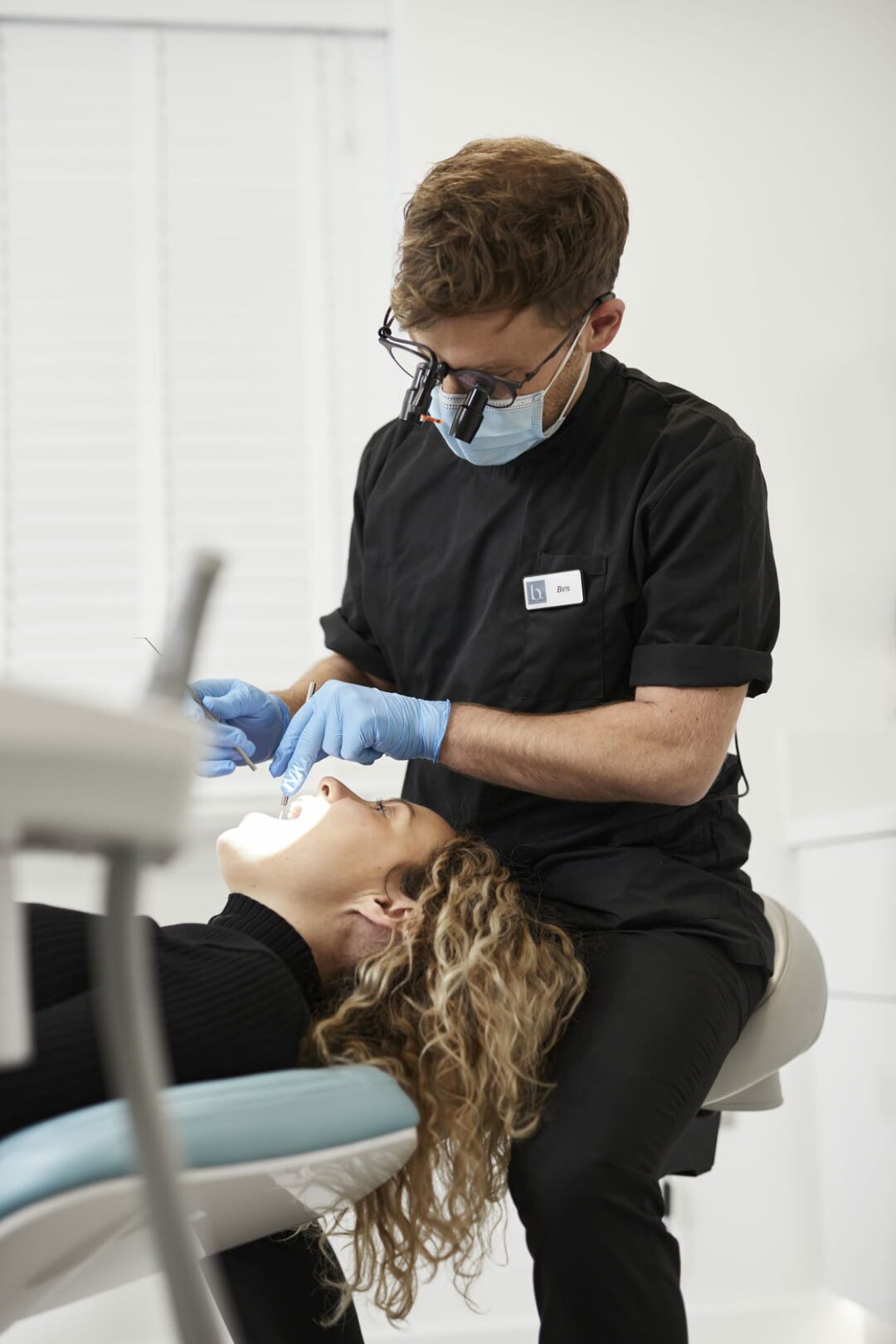
Dentist Checkup
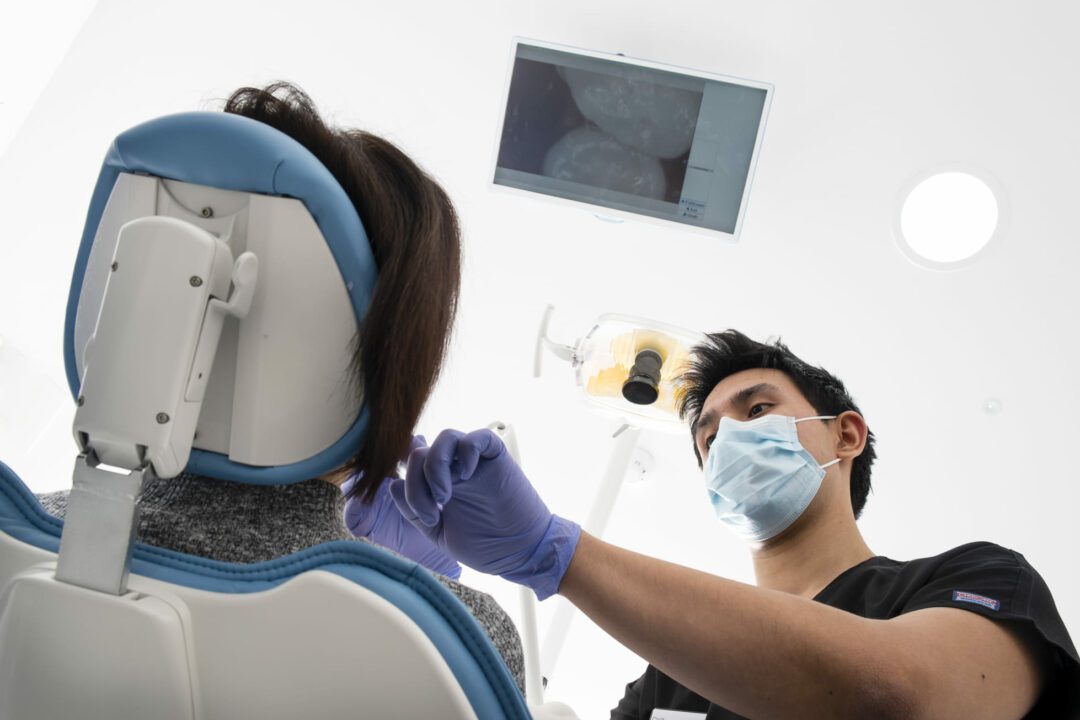
Dental Crowns

Dental Hygiene Appointments
Visit Us For Emergency Dental Treatment

Family Dental Practice

Preventative Dentistry Treatments
Stained Teeth Treatments

Endodontics FAQs